Your next presentation starts here. See your Story, Presence and Impact profile. See your speaking profile. Thanks for taking the Read. Take your result into a 40-minute Room Review. Take your result into a Room Review. Take the free ReadFree Read4 minBook a Room ReviewRoom Review40 min

RICHARD FORDEXECUTIVE COMMUNICATION COACHING
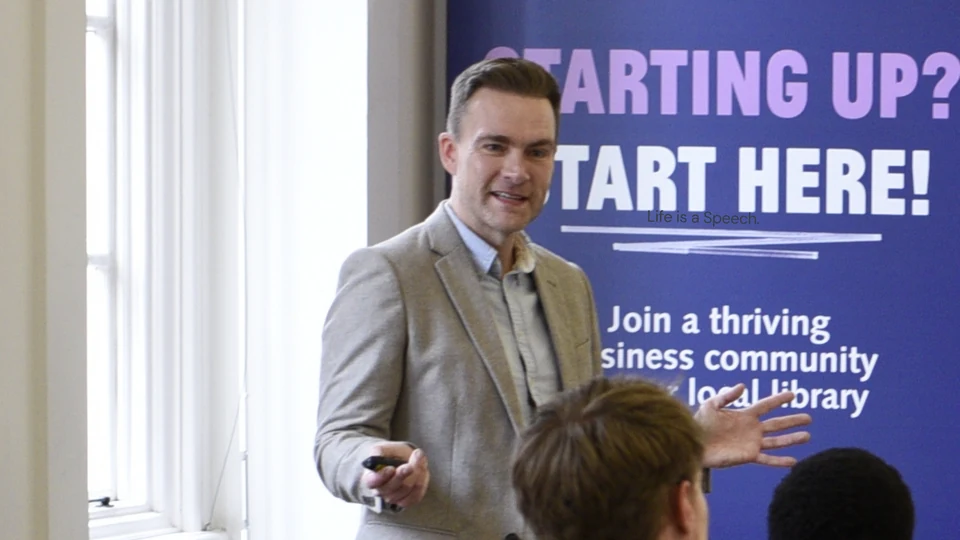
Richard presenting to a workshop group, gesturing towards the audience

Teams & Organisations

Better conversations. Better work together.

Practical workshops and communication development built around the situations your people actually face.

I design workshops around the real moments: the meeting that needs a decision, the update that needs to land, the conversation that keeps being put off.

Discuss a workshop with Richard See an example

Workshops are shaped around your people, your goals and your format.

What gets in the way

Capable people. Unclear conversations.

Most teams don’t lack talent. They lose time and trust in the spaces between people: meetings, handovers, updates and the conversations nobody wants to start.

  1. How we work on it

    Message. Build clearer shared communication.

  2. How we work on it

    Practical rehearsal. People practise on their own real material and get feedback.

  3. How we work on it

    Mindset. Make feedback and practice constructive.

  4. How we work on it

    Presence. Help people communicate effectively in real workplace situations.

Fictional teaching example

Same meeting. A clearer outcome.

Small changes in how people open and close a conversation can change what happens afterwards.

Before

“Does anybody have any thoughts on how we should move this forward?”

After

“We need to agree three things today: the decision, who owns it and what happens next.”

An illustrative teaching example. Not client work.

The topic is the same. The after version tells everyone what the meeting is for and what it needs to produce.

  1. The purpose is named People know the meeting is for agreeing, not only for discussing.
  2. The outcomes are specific A decision, an owner and a next step give the group something concrete to reach.
  3. Ownership is built in Naming who owns the decision makes it harder for it to drift.
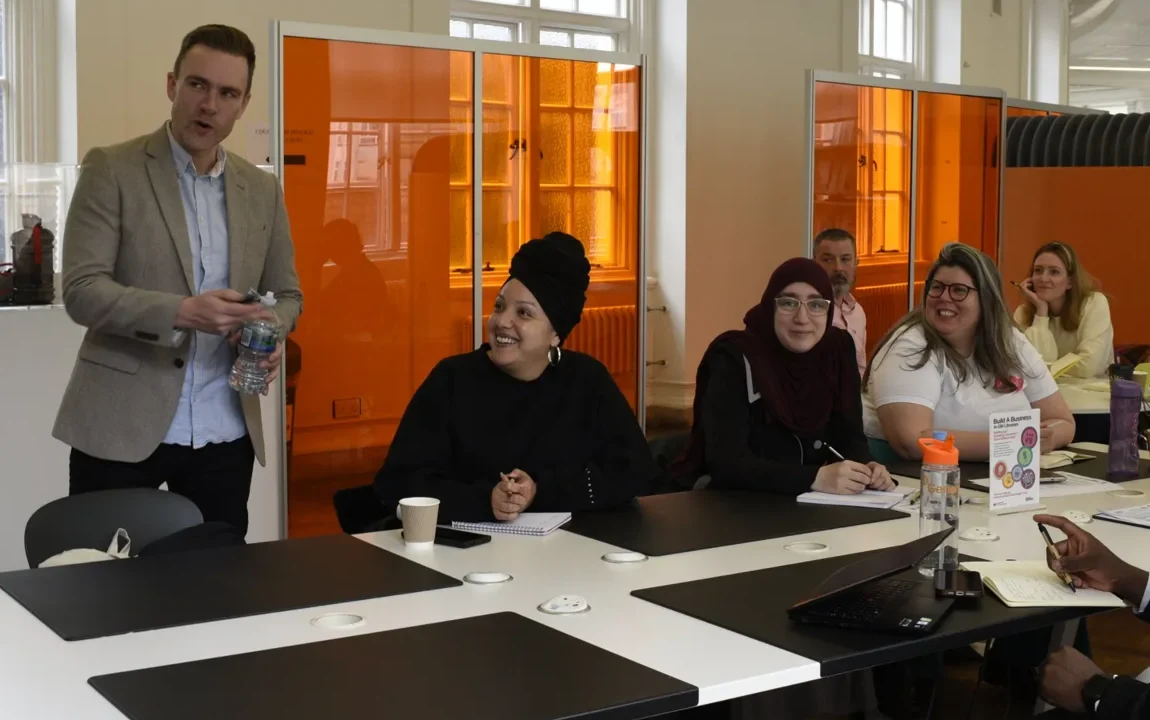
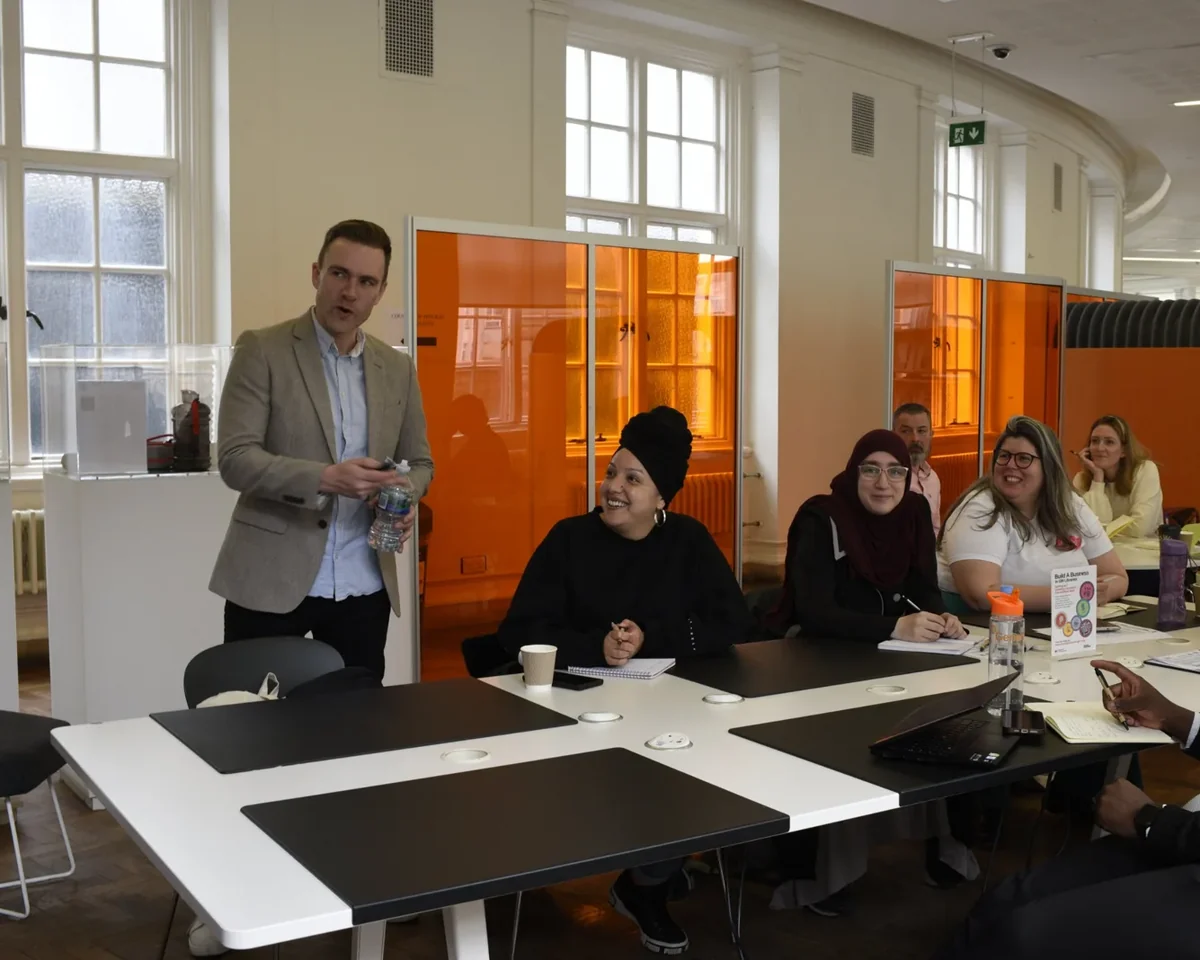
Richard standing and talking with a workshop group seated around a table

The coach

Practical, not theoretical. Built around your people.

I run workshops where people practise on their own real material, not generic exercises. The work is hands on, with feedback, so what people learn can go straight back to their desks. I tailor each session to the group and the situations they face.

  • 20+years in global business
  • 1,700+people coached

Broad credentials across all my coaching and workshops, not a count of team participants.

What that means for teams

  • MessageBuild clearer shared communication.
  • MindsetMake feedback and practice constructive.
  • PresenceHelp people communicate effectively in real workplace situations.

How we work

From a conversation to lasting change.

A practical process to understand your people, design the workshop around them and carry the learning back to work.

  1. Discovery

    Understanding your people and your situations.

    We talk through the team, the goal and the moments that matter most.

    We start with a conversation about your team. I ask what is going well, where communication gets stuck and what you want to be different. We look at the real situations people face, such as meetings, presentations, handovers and hard conversations. Then we agree what the workshop needs to achieve and how we will know it has helped. Nothing is designed until we have talked. We will know what a useful workshop looks like.

  2. Development

    Designing the workshop around you.

    We shape the format, the exercises and the examples to suit your team.

    Now I build the session. Using what we learned, I choose the format and design exercises around your real material, such as your meeting formats, your updates and your difficult conversations. We agree who will take part and how long it needs. The aim is a workshop that feels like it was made for this group, because it was. We review the plan together before anything is final. You see it before it goes ahead.

  3. Dynamics

    Practising on real material.

    People rehearse in the room and get constructive feedback.

    This is the workshop itself. People practise on their own real situations: opening and closing a meeting, giving a clear update, raising a difficult point. They try things, get feedback and try again. I keep the feedback constructive and specific, so practice feels safe and useful. The goal is that people leave with a few simple ways of communicating they can use the next day. The practice is hands on from the start.

  4. Delivery

    Making it stick.

    We agree the follow-up and look at what worked and what to do next.

    Learning fades unless it is used. So we agree follow-up before the workshop ends: what people will try, who will check in and when. Afterwards we review together what worked and what to adjust. This is also where we look at the goals we set at the start and discuss what a next step might be. I don’t promise fixed outcomes, because they depend on your people and your situation.

Questions

Your questions, answered.

  • It is a practical session where a group practises speaking and presenting on its own real material. Typical topics are clearer updates, stronger meetings and handling questions. People leave with things they can use the next day.

  • Yes. Every workshop starts with a conversation about your people and the situations they face. We then build exercises around your real meetings, updates and conversations.

  • Half-day workshops, team away days and sessions online or in person. We agree the format that fits your group and your goals.

  • People practise on their own real material, and we agree follow-up before the session ends: what to try, who checks in and when.

  • We agree in advance what you want to see, then look at it together afterwards. I don’t promise fixed outcomes, because they depend on your people and your situation.

Free tools for teams

A conversation first

Better conversations. Starting with yours.

Tell me about your team, the goal and the situations they face. We’ll work out what a useful workshop looks like. A conversation first. No obligation to continue.

Discuss a workshop with Richard Or try a Room Review first
Richard presenting to a workshop group, gesturing towards the audience

Teams & Organisations

Better conversations. Better work together.

Practical workshops and communication development built around the situations your people actually face.

I design workshops around the real moments: the meeting that needs a decision, the update that needs to land, the conversation that keeps being put off.

Discuss a workshop with RichardSee an example

Workshops are shaped around your people, your goals and your format.

Capable people. Unclear conversations.

Most teams don’t lack talent. They lose time and trust in the spaces between people: meetings, handovers, updates and the conversations nobody wants to start.

  • Meetings produce discussion without decisions.

    People talk at length and leave unsure who is doing what.

  • Presentations vary in clarity and impact.

    The same information lands very differently depending on who gives it.

  • Difficult conversations get postponed.

    Issues that need raising stay unspoken because nobody knows how to begin.

  • Important messages get lost between teams.

    What is clear in one team arrives changed, or not at all, in another.

Same meeting. A clearer outcome.

Small changes in how people open and close a conversation can change what happens afterwards.

Before

“Does anybody have any thoughts on how we should move this forward?”

After

“We need to agree three things today: the decision, who owns it and what happens next.”

An illustrative teaching example. Not client work. The topic is the same. The after version tells everyone what the meeting is for and what it needs to produce.

What changed?

  1. The purpose is named

    People know the meeting is for agreeing, not only for discussing.

  2. The outcomes are specific

    A decision, an owner and a next step give the group something concrete to reach.

  3. Ownership is built in

    Naming who owns the decision makes it harder for it to drift.

Richard standing and talking with a workshop group seated around a table

Practical, not theoretical. Built around your people.

I run workshops where people practise on their own real material, not generic exercises. The work is hands on, with feedback, so what people learn can go straight back to their desks. I tailor each session to the group and the situations they face.

  • 20+years in global business
  • 1,700+people coached

Broad credentials across all my coaching and workshops, not a count of team participants.

What that means for teams

  • MessageBuild clearer shared communication.
  • MindsetMake feedback and practice constructive.
  • PresenceHelp people communicate effectively in real workplace situations.

Illustrative scenario · Not a completed workshop

A team that talked a lot. And decided little.

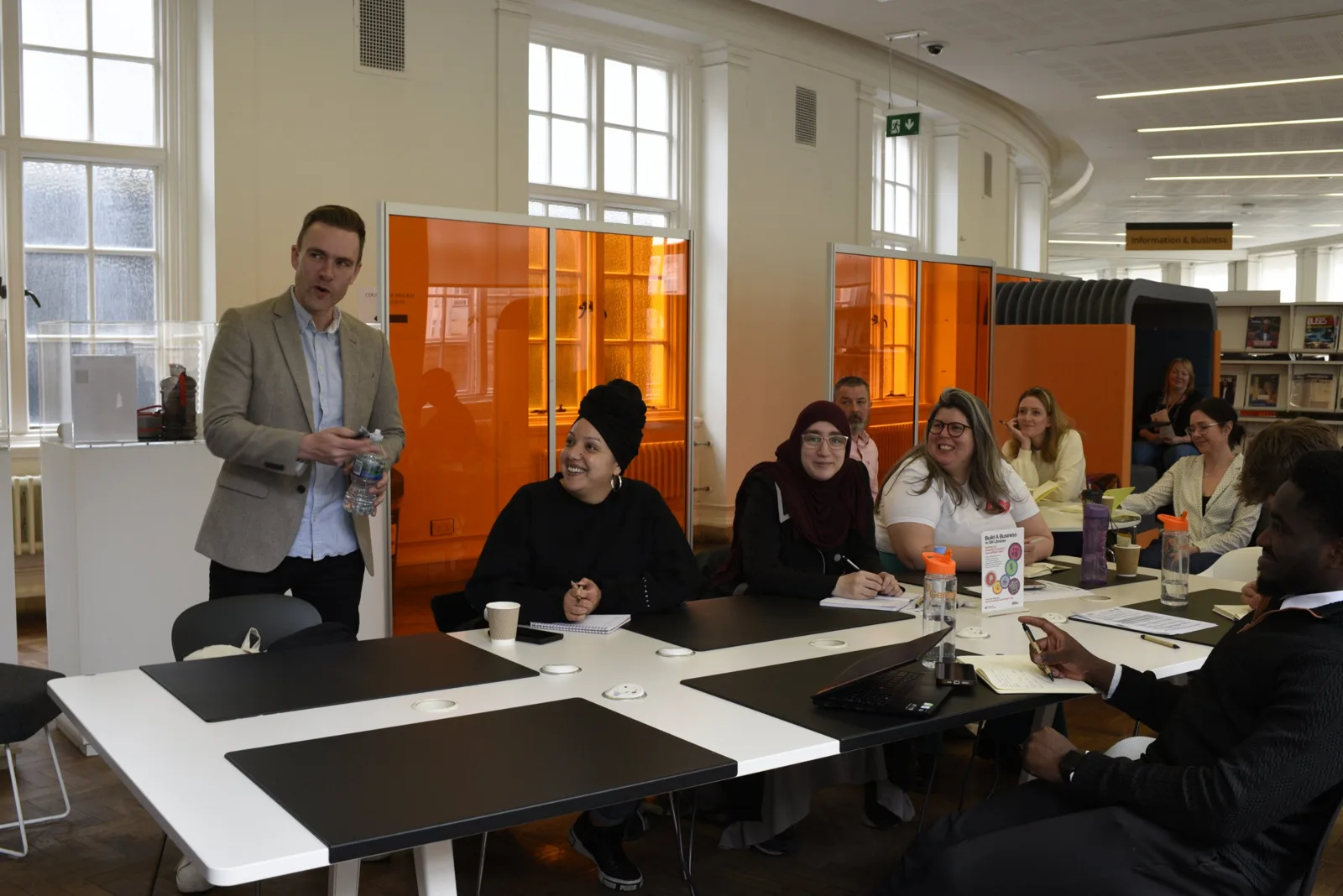
Richard talking with a workshop group seated around a table
A team workshopIllustrative scenario. The photograph is from a genuine workshop.

The situation

A team of capable people met every week. Discussion was open, but meetings often ended without a clear decision or an owner.

Updates between teams were written in different ways, so the same message reached people differently.

What a workshop could address

  • Agreeing the situations the team most wants to improve
  • Tailoring exercises to their real meetings and updates
  • Practising a way to close a meeting with a decision, an owner and a next step
  • Giving and receiving feedback in a structured, constructive way
  • Agreeing what to follow up afterwards

What this scenario shows

How a team could move towards clearer meetings, more consistent updates and a shared way to raise difficult topics.

This is a teaching scenario, not a statement of achieved results, and it includes no participant testimonials. Approved organisational proof will be added when it is available.

From a conversation to lasting change.

A practical process to understand your people, design the workshop around them and carry the learning back to work.

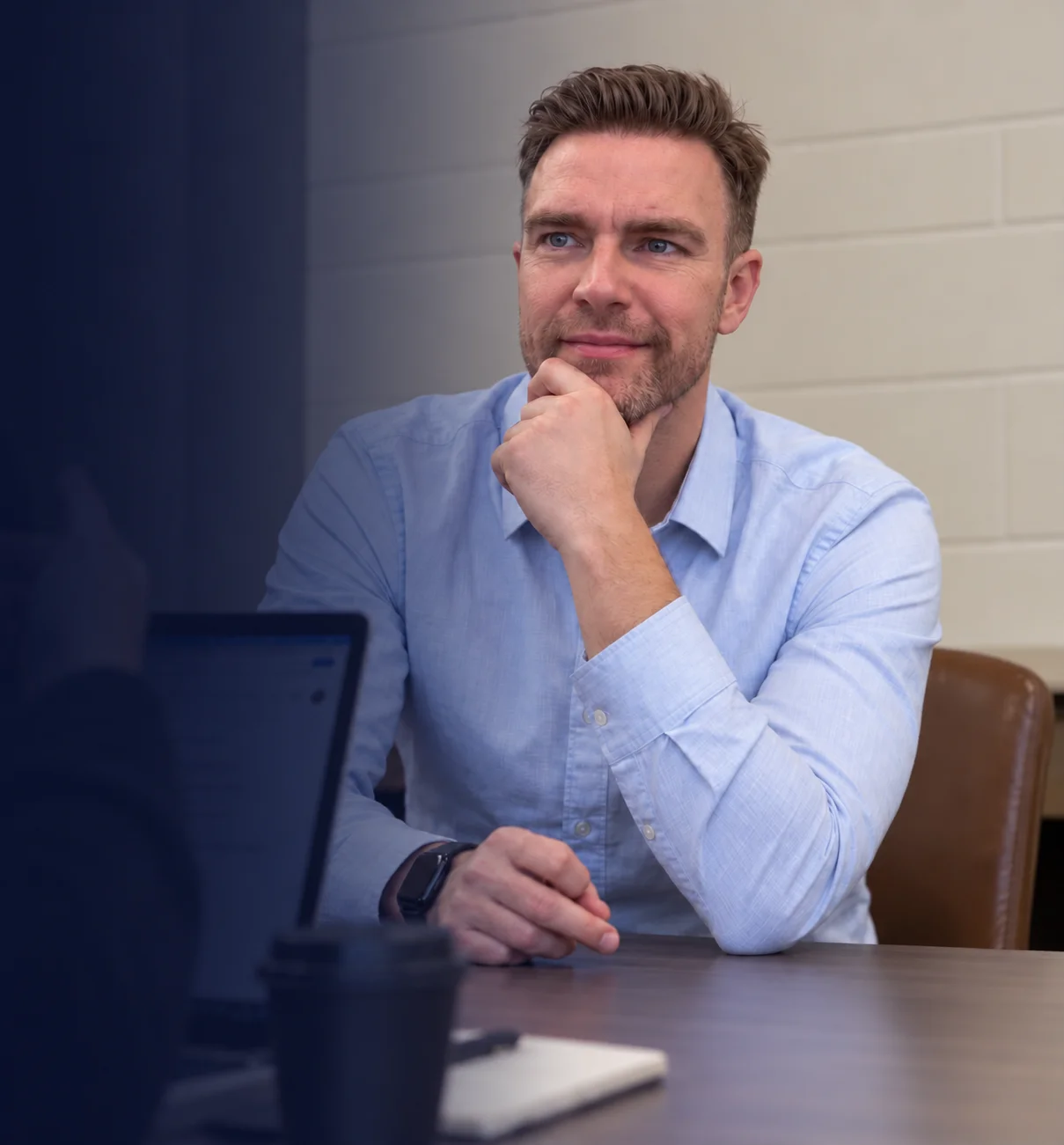
  1. Richard listening closely during a meeting

    Discovery

    Understanding your people and your situations.

    We talk through the team, the goal and the moments that matter most.

    We start with a conversation about your team. I ask what is going well, where communication gets stuck and what you want to be different. We look at the real situations people face, such as meetings, presentations, handovers and hard conversations. Then we agree what the workshop needs to achieve and how we will know it has helped. Nothing is designed until we have talked. We will know what a useful workshop looks like.

    • Which two or three situations would make the biggest difference?
    • What would you like people to do differently afterwards?
  2. Richard talking with a workshop group seated around a table

    Development

    Designing the workshop around you.

    We shape the format, the exercises and the examples to suit your team.

    Now I build the session. Using what we learned, I choose the format and design exercises around your real material, such as your meeting formats, your updates and your difficult conversations. We agree who will take part and how long it needs. The aim is a workshop that feels like it was made for this group, because it was. We review the plan together before anything is final. You see it before it goes ahead.

    • Choose a format: half-day, away day, online or in person.
    • Bring a real meeting, update or message to work on.
  3. Workshop participants smiling and taking notes while Richard speaks

    Dynamics

    Practising on real material.

    People rehearse in the room and get constructive feedback.

    This is the workshop itself. People practise on their own real situations: opening and closing a meeting, giving a clear update, raising a difficult point. They try things, get feedback and try again. I keep the feedback constructive and specific, so practice feels safe and useful. The goal is that people leave with a few simple ways of communicating they can use the next day. The practice is hands on from the start.

    • Practise opening a meeting by saying what it is for.
    • Give and receive one piece of specific, kind feedback.
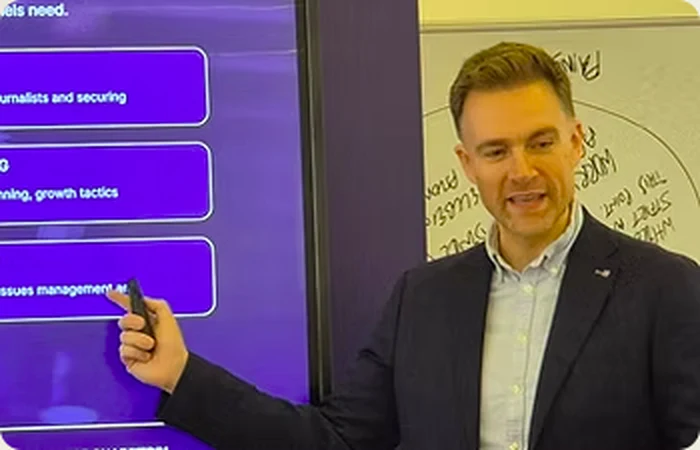
  4. Richard pointing to a slide during a presentation

    Delivery

    Making it stick.

    We agree the follow-up and look at what worked and what to do next.

    Learning fades unless it is used. So we agree follow-up before the workshop ends: what people will try, who will check in and when. Afterwards we review together what worked and what to adjust. This is also where we look at the goals we set at the start and discuss what a next step might be. I don’t promise fixed outcomes, because they depend on your people and your situation.

    • Agree one thing each person will try in the next week.
    • Decide who will check in, and when.

How a workshop is shaped.

Every workshop is tailored. It starts with your people and the situations they face, not a standard programme.

The list below shows what is built in. I don’t fix numbers or promises in advance, because they depend on your group.

Read more about team workshops

A workshop starts with a conversation. There is no obligation to continue.

  • Tailoring

    Built around your people, your goals and the situations they face.

  • Workshop formats

    Half-day workshops, team away days, online or in person.

  • Practical rehearsal

    People practise on their own real material and get feedback.

  • Follow-up

    Agreeing what people will carry on doing after the session.

  • Evaluation

    Looking together at what worked and what to do next.

Tell me about your team. Let’s plan it.

Workshop conversation

A short conversation about your team, your goals and what you want to improve.

We’ll talk through the situations your people face, the format that fits and what useful follow-up looks like.

Then I’ll put together a proposal.

Discuss a workshop with Richard

Want to see how I work first? Read more about team workshops

Practical ideas for teams

Three short exercises a team can try in its next meeting.

  • Closing a meeting with a decision

    Name the decision, the owner and the next step before people leave.

    Read the 60-second version
    1. Five minutes before the end, say what has been decided.
    2. Name who owns each decision.
    3. Agree what happens next and by when.
  • Giving a clear update

    Lead with what changed and what you need from the listener.

    Read the 60-second version
    1. Say what has changed in one sentence.
    2. Say what you need from the reader or listener.
    3. Add detail only after that.
  • Raising a difficult topic

    Start with the issue and what you want, kindly and plainly.

    Read the 60-second version
    1. Name the issue in one neutral sentence.
    2. Say why it matters and what you would like to change.
    3. Ask for the other person’s view and listen.

Your questions, answered.

  • It is a practical session where a group practises speaking and presenting on its own real material. Typical topics are clearer updates, stronger meetings and handling questions. People leave with things they can use the next day.

  • Yes. Every workshop starts with a conversation about your people and the situations they face. We then build exercises around your real meetings, updates and conversations.

  • Half-day workshops, team away days and sessions online or in person. We agree the format that fits your group and your goals.

  • People practise on their own real material, and we agree follow-up before the session ends: what to try, who checks in and when.

  • We agree in advance what you want to see, then look at it together afterwards. I don’t promise fixed outcomes, because they depend on your people and your situation.

  • The Room Review is a one-to-one session for an individual. For a team, the best starting point is a conversation about a workshop.

Better conversations. Starting with yours.

Tell me about your team, the goal and the situations they face. We’ll work out what a useful workshop looks like.

Discuss a workshop with RichardRead more about team workshops

A conversation first. No obligation to continue.

Book a Room Review