Not sure where to start? Take the free Stage Intelligence Read and get your communication profile in 4 minutes. Not sure where to start? Get your speaking profile in 4 minutes. Take the free ReadFree Read

RICHARD FORD EXECUTIVE COMMUNICATION COACHING
PUBLIC SPEAKING, KEYNOTES, PITCHES & TEDx COACHING

A good idea deservesa room that listens.

You bring the idea. Together we shape the story, the slides and the stage, so your big moment lands in a big way.

Action first, confidence later.

4.9/5 from 700+ client reviews · 25+ years coaching

£95 Room Review · 40 minutes · Video call · Fresh eyes. Bring the talk, a draft, slides or just the idea. Leave knowing how you want the room to feel.

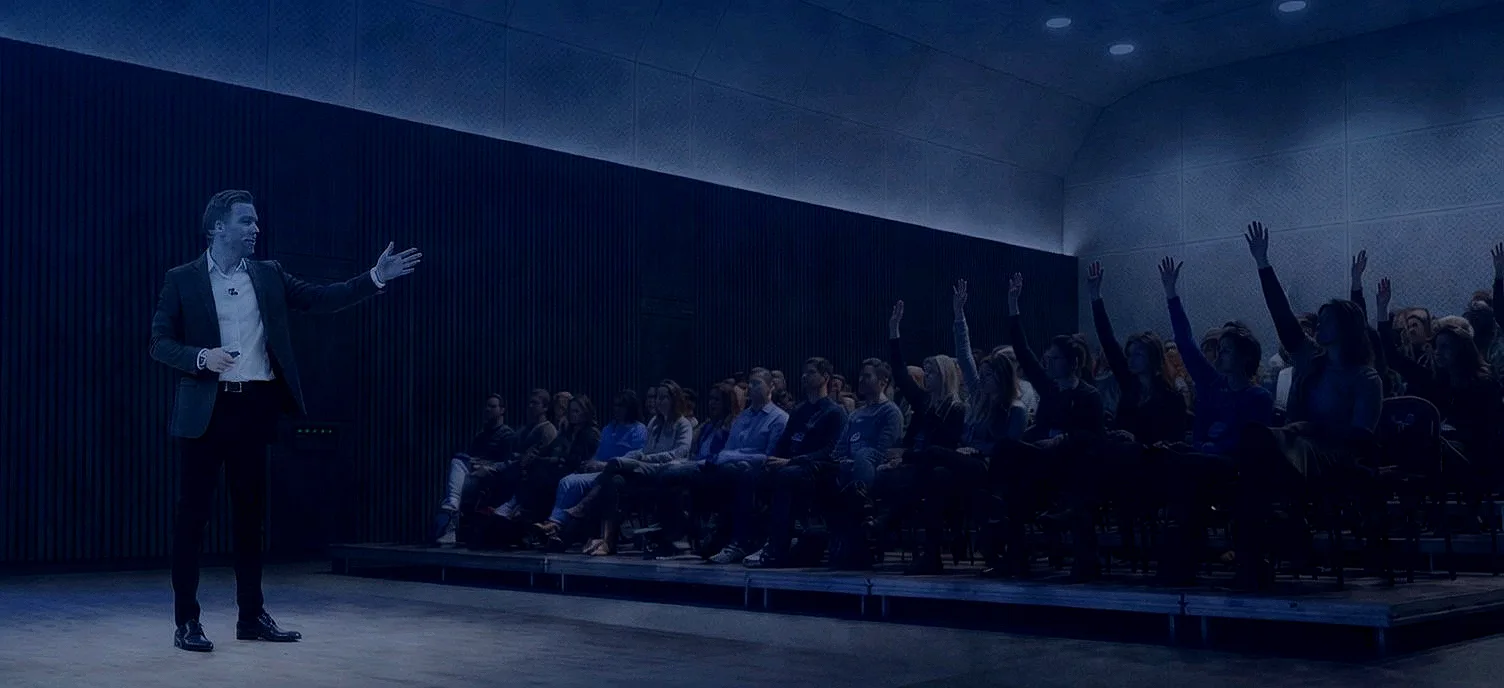
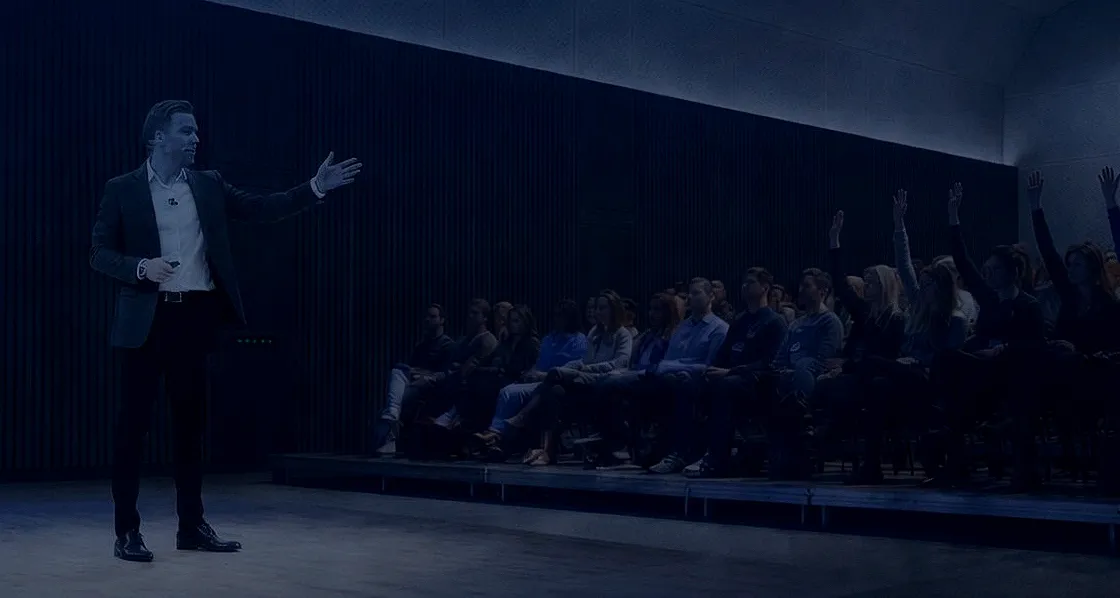
Richard Ford coaching a speaker on stage in front of a seated audience

What gets in the way

A good idea still needs a way in.

Most talks don’t struggle because the idea is weak. They struggle with the opening, the structure, the rehearsal or the moments you can’t plan for.

  1. How coaching helps

    Opening with a moment. A specific moment beats a welcome and an agenda.

  2. How coaching helps

    Choosing the one idea. When you have too much, pick one idea and let the rest support it.

  3. How coaching helps

    Rehearsing without sounding scripted. Practise the moments and the order, not every word.

  4. How coaching helps

    Questions and unexpected moments. Preparing for the questions and surprises you can’t script.

Before and after · the opening

The first ten seconds decide the room.

Same subject, two ways in. A strong opening doesn’t need a bigger claim. It needs a clear idea and a moment the audience can picture.

Before

“Good morning. I’m delighted to be here to talk about the future of leadership and share some of the things I’ve learned.”

After

“The biggest mistake I made as a leader was thinking I needed to have all the answers.”

An illustration of the shift. Not a client result.

The subject is the same: leadership. The after version opens with a specific moment and a point of view, instead of a welcome.

  1. A specific claim It names a real mistake, which gives the audience something to lean towards.
  2. A point of view It shows what the talk is about without announcing the topic.
  3. A reason to keep listening A listener wants to hear how the story continues.

Where this comes from

The talk I had to make matter.

In 2015 I was a Supplier Manager in telecoms, and I had to explain network resilience and business continuity to managers, commercial colleagues and people with very different levels of technical knowledge. I knew how the technology worked. I hadn’t worked out why the room should care.

  1. Before

    The challenge

    I knew about redundancy, failover systems and network reliability. Knowing the material and keeping people interested turned out to be two different things. I remember thinking: how am I going to make this interesting without everybody mentally disappearing by slide four? So I checked the slides again, which is not, strictly speaking, a plan.

  2. During

    Making it relevant

    Here is the opening I would use now. Not network diagrams and technical terms. This: “Imagine you’re negotiating the biggest deal of your career. You’re about to agree the final details, and suddenly your phone goes dead.” Pause. “Now imagine it isn’t just your phone. It’s every customer trying to reach your business.” Now it’s about customers and risk, not infrastructure.

  3. After

    The realisation

    I didn’t need to make the technology more interesting. I needed to make it matter to the people listening. Giving people information and giving them a reason to care are two different jobs. Once I saw that, it changed how I prepare anything, and it is the thinking behind the four Ds.

So here is how I would approach that same presentation today, using Stage Intelligence. That’s where the four Ds come in.

How we work

From first idea to final rehearsal.

A practical process to develop the talk, rehearse it properly and deliver it as yourself.

  1. Discovery

    Finding the idea worth sharing.

    We look at the room, the occasion and the one thing you want people to leave with.

    You leave with: a single sentence that says what your talk is about.

    We start with the occasion: who is listening, how long you have and what they should do afterwards. Then we find the one idea at the heart of the talk and set the rest aside. You leave with a single sentence that says what your talk is about.

    My telecoms example

    Before any slides, I’d ask who is in the room: managers, commercial colleagues, people with different levels of technical knowledge. Most don’t need the architecture. They need to know what happens to customers and the business when communication stops. So the real subject isn’t backup systems. It’s the cost of losing contact when it matters most.

  2. Development

    Building the story.

    We shape the opening, the structure and the examples that carry the idea.

    You leave with: an opening and a structure you can hold in your head.

    We build the talk around that one idea. We choose the story that makes it real, set the order and write an opening that starts with a moment, not a welcome. For decks, every slide gets one job. You get a structure you can hold in your head, so you speak to the room rather than read to it.

    My telecoms example

    I’d turn the material into one story about a critical call failing. Open with the biggest deal of your career, a phone that goes dead, then every customer trying to reach you. Three questions carry the talk: what happens when a network fails, what stops one failure bringing everything down, and what that means for the business. Same expertise. A reason to listen.

  3. Dynamics

    Rehearsing for the real room.

    We practise aloud, with feedback, and prepare for questions and surprises.

    You leave with: a talk you have said aloud, and a plan for the unexpected.

    You rehearse aloud, in short sections and then in full, and I give honest feedback on pace, emphasis and clarity. We practise different versions so it stays natural, and plan for the moments you cannot script: a hard question, a blank or a technical fault.

    My telecoms example

    I’d rehearse it as a conversation, because meetings interrupt. “Can you put that more simply?” “Why does this matter to us?” I’d practise answering plainly: “Your customers don’t care how clever the network is. They care whether the call connects.” The aim isn’t to memorise every word. It’s to stay steady whatever the room asks.

  4. Delivery

    Delivering it as yourself.

    We prepare for the day and agree what to carry forward.

    You leave with: a plan for the day and one thing to review afterwards.

    We agree a simple plan for the day: how you arrive, what you say first, how you settle your nerves and how you recover if something goes off script. Afterwards we look at what landed and what to change, so the next talk starts stronger.

    My telecoms example

    On the day, I’d open with the phone call, not the diagram, then pause so people can picture it. Plain language, and technical detail only when it answers a question they now care about. Then I’d go back to the opening. The test isn’t how much I said. It’s whether they understood it, cared and will remember it.

The technology hadn’t changed. The way I made people feel about it had.

Whether you’re explaining something technical, pitching an idea, leading a meeting or speaking on stage, the challenge is often the same. You know what you want to say. Together, we work out how to make it matter to the people listening.

Start with a Room Review →

Your client pack

What you could walk away with

Three examples from the Stage & Delivery Pack, each built to solve a specific problem.

  • Stage Intelligence assessment

    The problem it solves: Not knowing what is working in the talk and what is getting in the way.

  • Q&A preparation

    The problem it solves: Freezing on the hard questions after the talk.

  • 14-day rehearsal plan

    The problem it solves: Rehearsing without knowing what to practise or when.

A focused service

Keynote and TEDx Talk Review

A review of your keynote or talk idea, from the central message to the way you stand and speak.

See what is included

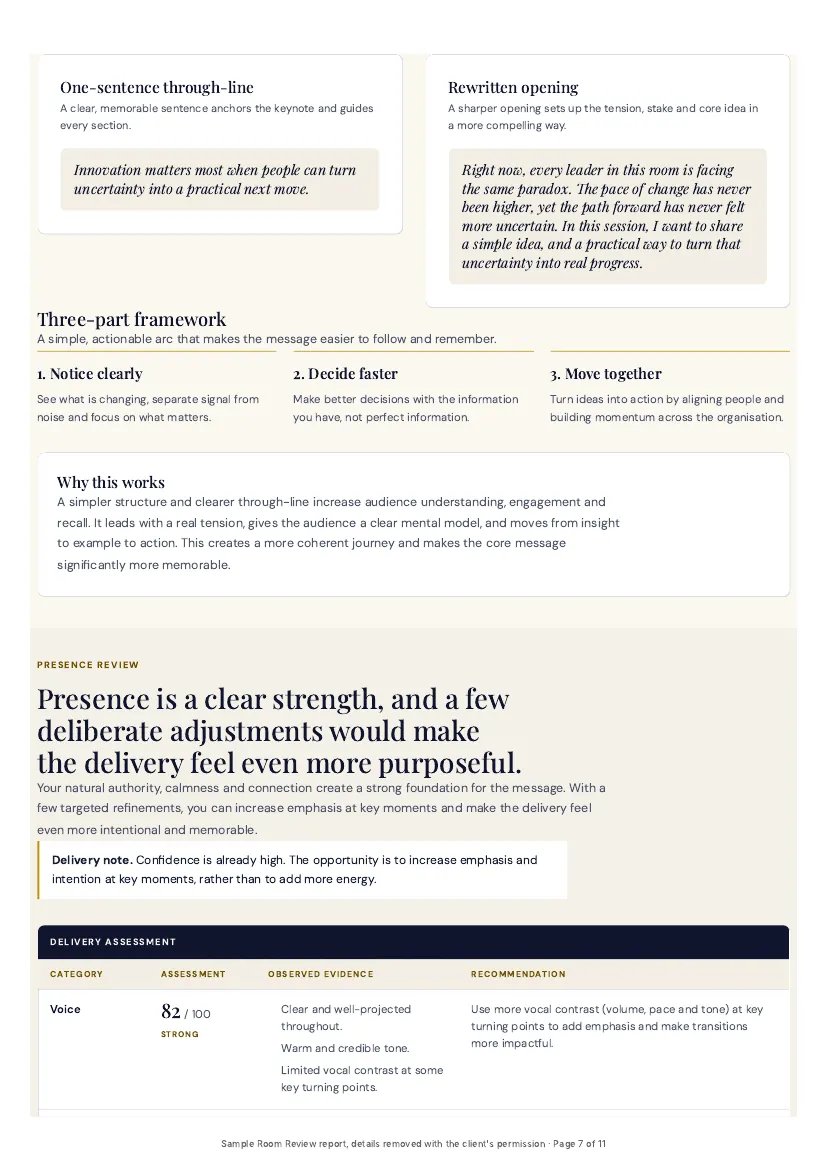
The pages shown are from a real Room Review report for an 18-minute conference keynote, shared with the client's permission and with their details removed. They show the kind of material we might build together. What you receive depends on the work we do.

Open the full sample report (PDF, opens in a new tab)

Sample

From a real Room Review report. Client details removed with their permission.

Open the full PDF in a new tab

Client story

The keynote speaker who stopped delivering a presentation and started telling a story

Daniel

Technology Director

The moment
An 18-minute keynote at a national technology conference, in front of approximately 600 delegates.

The real transformation

Daniel stopped trying to prove how much he knew and started giving people something worth remembering.

*Client story. Names and company details changed for data protection

Before and after · a company everyone knows

Same product. Two ways to say it.

When Apple launched the iPod in 2001, it could have led with the machine. It led with what you could do with it.

Before · the spec way

“A portable MP3 player with a 5 GB hard drive and up to 10 hours of battery life.”

True, and easy to forget. These are facts from Apple’s own release, in my wording.

After · what Apple said

“Ultra-Portable MP3 Music Player Puts 1,000 Songs in Your Pocket.”

Apple’s actual headline. Same product, same facts. You can picture it.

The same move as the call that goes dead. Start with what the listener can see and feel, then bring the detail in behind it. It works for a product launch and it works for a keynote.

A public example, not a client of mine. Source: Apple press release, 23 October 2001.

A practical first step

Bring your next talk into the room.

Bring your talk, pitch, deck or keynote to a focused Room Review. We’ll work on the real material and identify the changes that matter most. The Room Review is £95 · 40 minutes.

Request a Room Review

You request a time. You pay once I’ve said yes. The fee comes off any coaching you book after.

Or take the free Read first, 4 minutes Or send a short brief Keynote and TEDx training

TEDx coaching helps you develop and deliver a stronger talk. It does not guarantee selection as a TEDx speaker.

See what you get

A real Room Review report

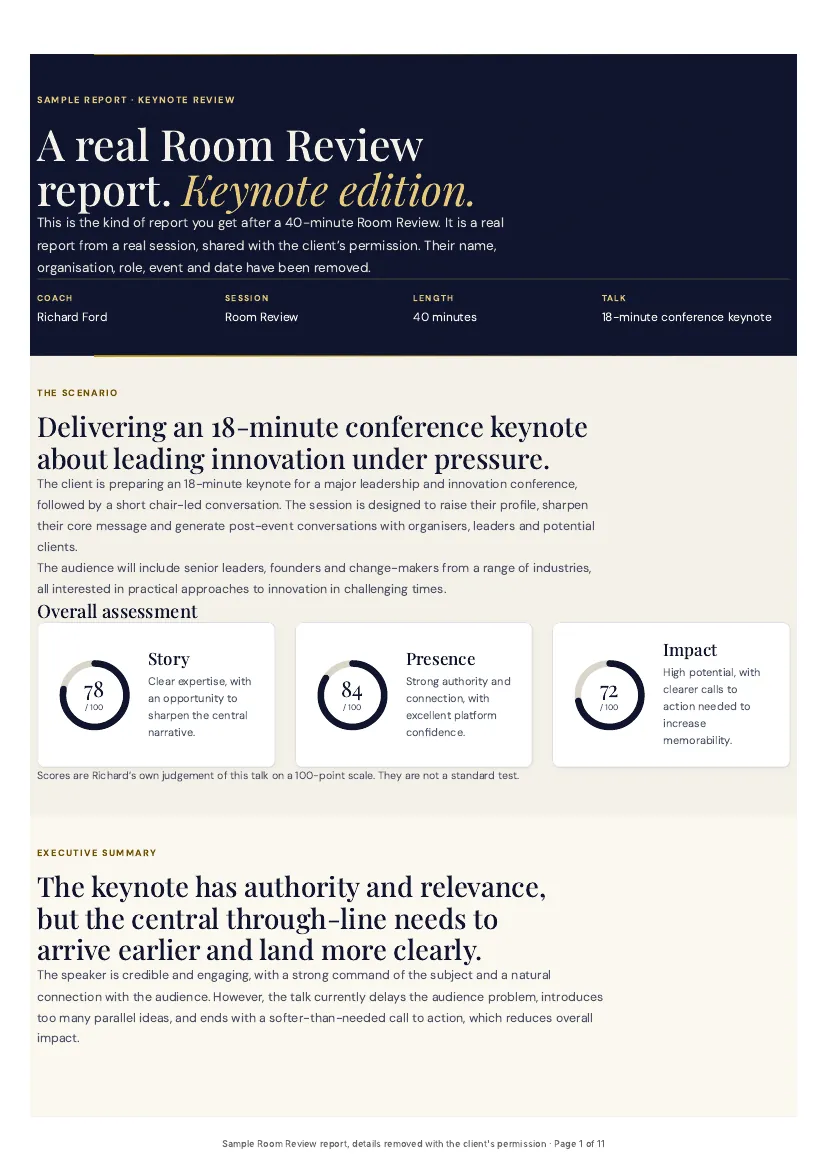
The written report from a real Room Review, for an 18-minute conference keynote. The client said I could share it. Their name, organisation, role, event and date are removed.

Click here for a sample output from the Room Review

PDF · 22 pages · Read it online instead

Questions

Your questions, answered.

  • Start with one idea you can say in a sentence. Build the talk around it, cut anything that does not serve it, then rehearse out loud and on your feet until it sounds like you talking, not reciting.

  • No. Selection is decided by the organisers, so I can’t guarantee it. What I can do is help you develop a clear idea, a stronger talk and a delivery you can trust, which gives you the best foundation for an application or an invitation.

  • Yes. Bring it as it is. We look at the idea, the structure and the delivery, then work out what would make the biggest difference.

  • We list what you want to say, then test each point against one question: would the talk still work without it? What remains is the idea. Everything else supports it or waits for questions.

  • It shouldn’t. We rehearse the opening, the order of ideas and the moments that matter, not every word, so the delivery stays natural and can adapt to the room.

Free tools for speakers

Sound familiar?

A good idea still needs a way in.

Most talks don’t struggle because the idea is weak. They struggle with the opening, the structure, the rehearsal or the moments you can’t plan for.

  • Your opening decides whether they lean in.

    The first moments set the tone, and many talks spend them on thanks and housekeeping.

  • Your audience should know what to remember.

    When everything matters, the audience can’t tell what to remember.

  • Your delivery should sound like you.

    Practising the words is not the same as practising the moment.

  • You should feel steady when the unexpected happens.

    A question, a technical fault or a blank can unsettle a well-prepared talk.

If that sounds familiar, here is what a stronger start looks like.See the opening, before and after

Before and after · the opening

The first ten seconds decide the room.

Same subject, two ways in. A strong opening doesn’t need a bigger claim. It needs a clear idea and a moment the audience can picture.

0:00
Before

“Good morning. I’m delighted to be here to talk about the future of leadership and share some of the things I’ve learned.”

A welcome and a topic. Nothing to lean towards.

0:00
After

“The biggest mistake I made as a leader was thinking I needed to have all the answers.”

A real moment and a point of view. A reason to listen.

Try it on your own opening

Take your first line and delete the thank you, “today I’m going to talk about” and your name and job title. What is left is nearer to where your talk starts. Want a second pair of eyes on it?

Bring it to a Room Review

An illustration of the shift. Not a client result. The subject is the same: leadership. The after version opens with a specific moment and a point of view, instead of a welcome.

How we work

One path, from first idea to the day itself.

You have something worth saying. Here is how we get it from your head into the room, using your own talk, your own audience and your own date. Most talks go wrong because people rehearse the words before they know the point. So we start with the point.

Where this comes from

The talk I had to make matter.

In 2015 I was a Supplier Manager in telecoms, and I had to explain network resilience and business continuity to managers, commercial colleagues and people with very different levels of technical knowledge. I knew how the technology worked. I hadn’t worked out why the room should care.

  1. Before

    The challenge

    I knew about redundancy, failover systems and network reliability. Knowing the material and keeping people interested turned out to be two different things. I remember thinking: how am I going to make this interesting without everybody mentally disappearing by slide four? So I checked the slides again, which is not, strictly speaking, a plan.

  2. During

    Making it relevant

    Here is the opening I would use now. Not network diagrams and technical terms. This: “Imagine you’re negotiating the biggest deal of your career. You’re about to agree the final details, and suddenly your phone goes dead.” Pause. “Now imagine it isn’t just your phone. It’s every customer trying to reach your business.” Now it’s about customers and risk, not infrastructure.

  3. After

    The realisation

    I didn’t need to make the technology more interesting. I needed to make it matter to the people listening. Giving people information and giving them a reason to care are two different jobs. Once I saw that, it changed how I prepare anything, and it is the thinking behind the four Ds.

So here is how I would approach that same presentation today, using Stage Intelligence. That’s where the four Ds come in.

  1. Richard listening closely during a meeting

    Discovery

    You walk in knowing what your talk is really about.

    Before anything is written, you know who is listening, what they need and what you want them to do afterwards. That is what makes everything else easier.

    What changes for you
    • You see where your talk loses people
    • You know who is in the room and what each listener cares about
    • You choose the one idea that matters, and let the rest go
    A tool you will keep

    A simple four-note check, so you always know your point: Purpose, Listener, Headline, Next.

    You leave with

    One sentence that says what your talk is about.

    My telecoms example

    Before any slides, I’d ask who is in the room: managers, commercial colleagues, people with different levels of technical knowledge. Most don’t need the architecture. They need to know what happens to customers and the business when communication stops. So the real subject isn’t backup systems. It’s the cost of losing contact when it matters most.

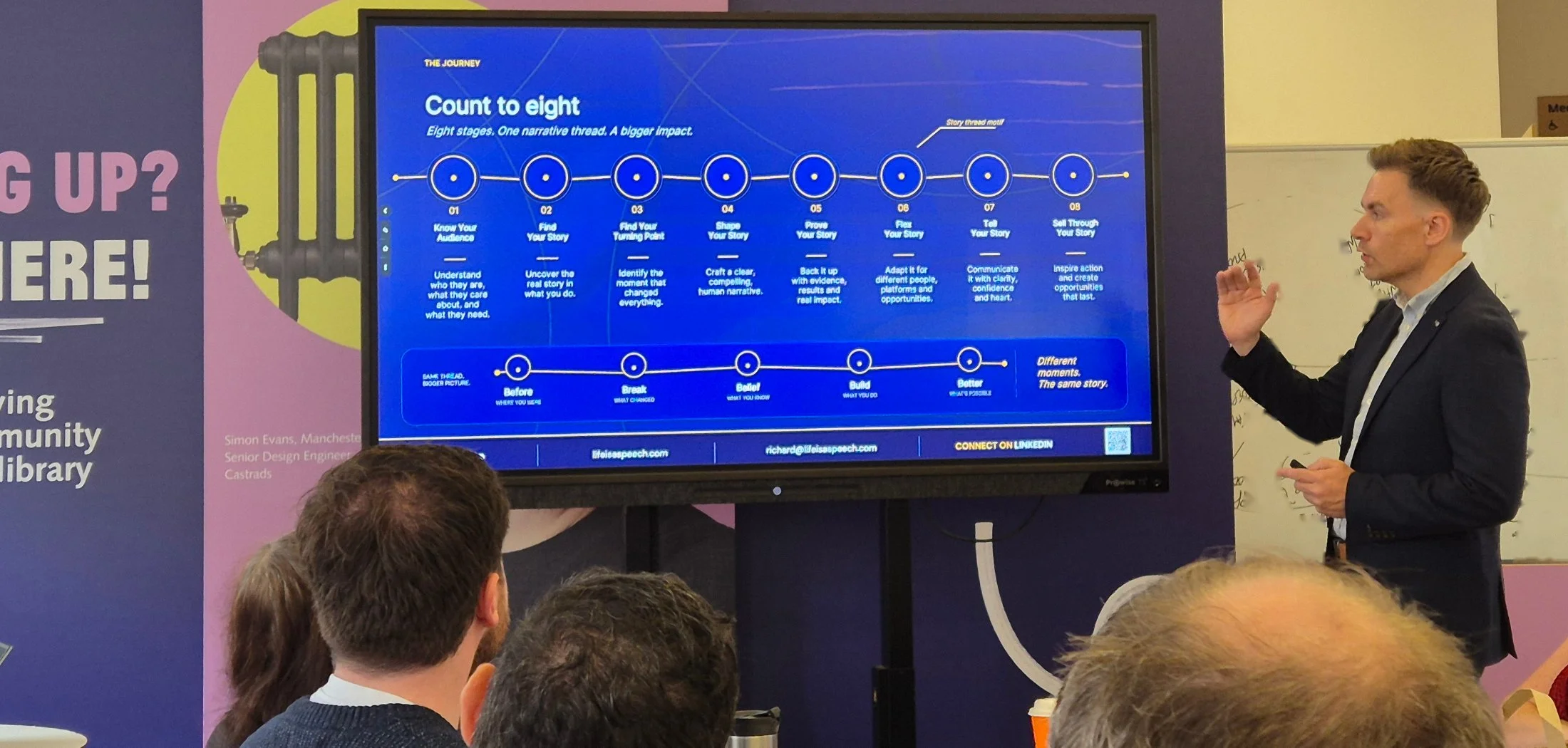
  2. Richard explaining a process slide on a screen to a room

    Development

    Your story arrives in the right order.

    The more you know, the harder it is to start. So we put the point first and the proof second, and people hear what matters before the detail.

    What changes for you
    • Your opening starts with a moment, not a welcome
    • Your story carries the idea, so people remember it
    • Everything the audience does not need is gone
    A tool you will keep

    Point first, then proof, then the ask. One order that works for a keynote, a pitch or a hard conversation.

    You leave with

    An opening and a structure you can hold in your head.

    My telecoms example

    I’d turn the material into one story about a critical call failing. Open with the biggest deal of your career, a phone that goes dead, then every customer trying to reach you. Three questions carry the talk: what happens when a network fails, what stops one failure bringing everything down, and what that means for the business. Same expertise. A reason to listen.

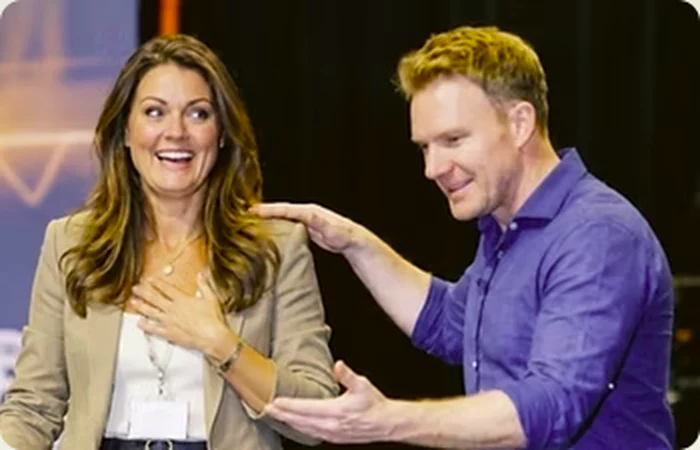
  3. Richard working one to one with a participant, both smiling

    Dynamics

    You stay steady when it stops going to plan.

    You rehearse the moment, not just the words. I play the person with the hard question, so the real one feels familiar when it comes.

    What changes for you
    • You have said it aloud, in short sections and then in full
    • The hard question no longer throws you
    • You hear honest feedback while there is still time to use it
    A tool you will keep

    Pause, Point, Proof: one breath, one sentence, one reason. And improv’s “yes, and” for when someone pushes back.

    You leave with

    A talk you have said aloud, and a plan for the unexpected.

    My telecoms example

    I’d rehearse it as a conversation, because meetings interrupt. “Can you put that more simply?” “Why does this matter to us?” I’d practise answering plainly: “Your customers don’t care how clever the network is. They care whether the call connects.” The aim isn’t to memorise every word. It’s to stay steady whatever the room asks.

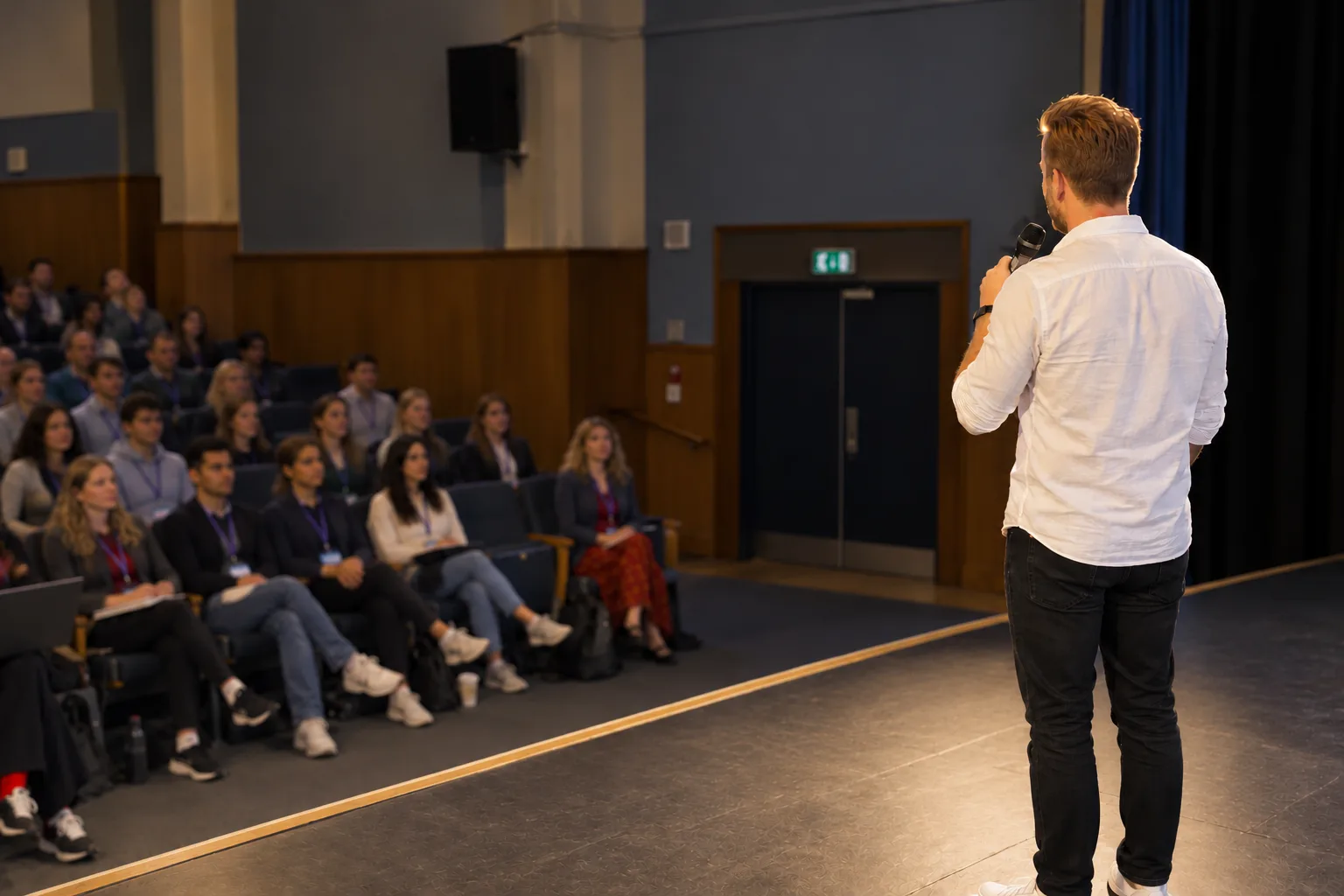
  4. Richard speaking on stage with a microphone to a seated audience

    Delivery

    You sound like yourself on the day.

    On the day, you know how you arrive, what you say first and what to do if something goes off script. Afterwards, you take one useful change into your next talk.

    What changes for you
    • You walk on knowing your first line and your last
    • A blank or a technical fault is something you have already planned for
    • You finish knowing one thing that worked and one thing to change
    A tool you will keep

    A short work log of what you actually did, not how confident you hoped to feel.

    You leave with

    A plan for the day and one thing to carry forward.

    My telecoms example

    On the day, I’d open with the phone call, not the diagram, then pause so people can picture it. Plain language, and technical detail only when it answers a question they now care about. Then I’d go back to the opening. The test isn’t how much I said. It’s whether they understood it, cared and will remember it.

The technology hadn’t changed. The way I made people feel about it had.

Whether you’re explaining something technical, pitching an idea, leading a meeting or speaking on stage, the challenge is often the same. You know what you want to say. Together, we work out how to make it matter to the people listening.

Start with a Room Review

Options, not rules. I give you the tools, you decide what fits, and I won’t force one you don’t like.

Case study

Showing leadership, not just reporting it.

How a strong operational leader worked on communicating the thinking, decisions and leadership behind the results.

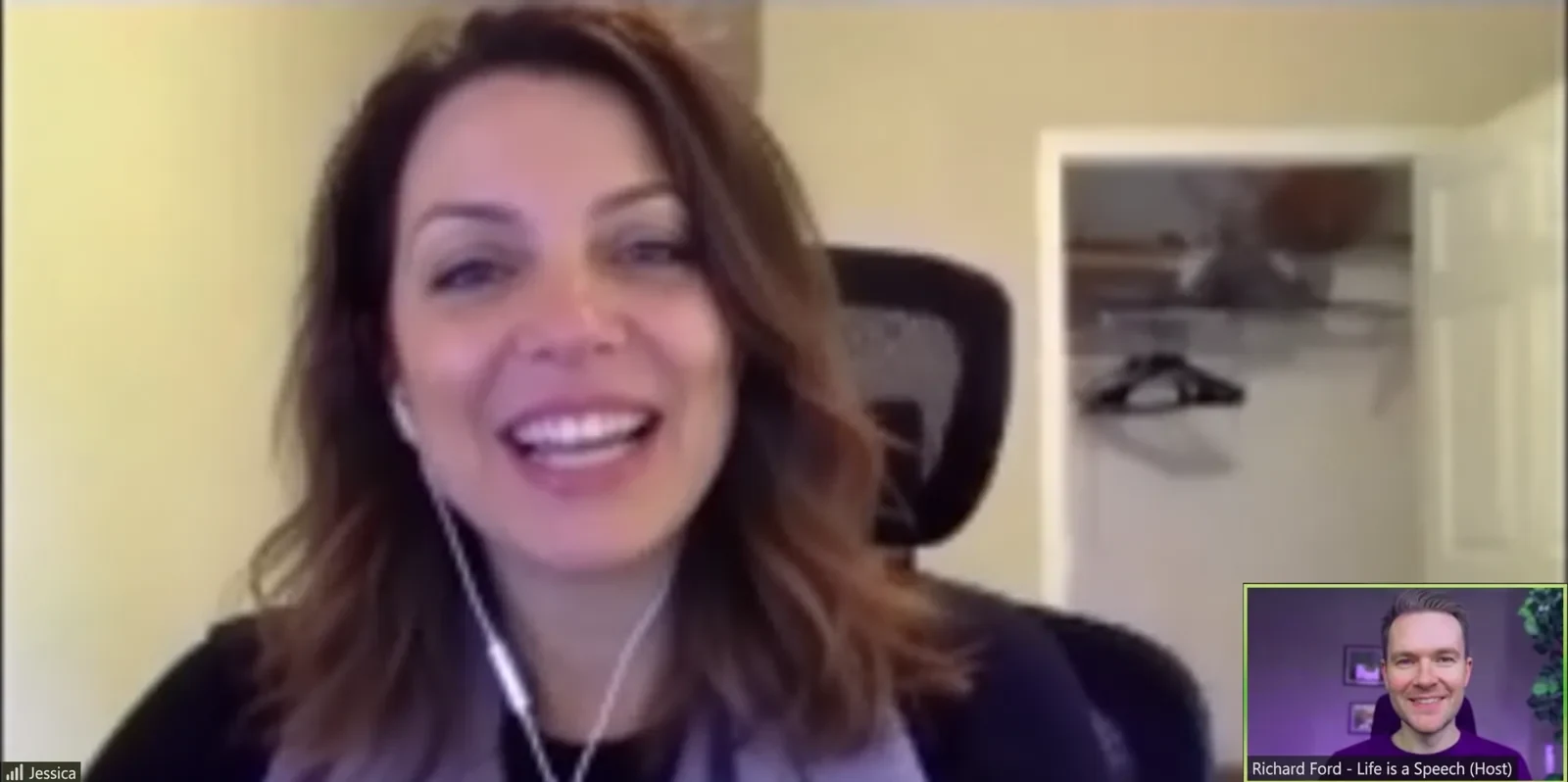
Jessica had made £50M in savings and had a strong track record. She understood her performance data inside out.

The challenge was making sure the people listening could see the leadership behind the numbers.

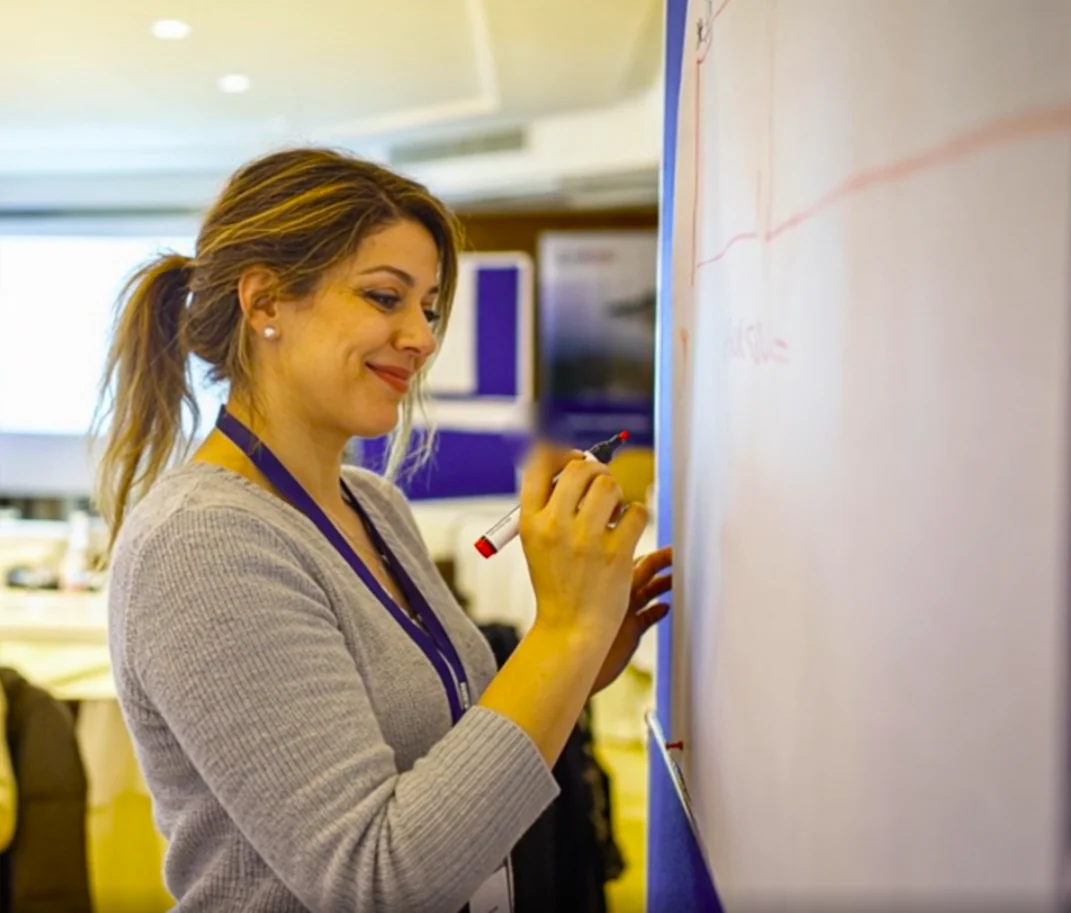
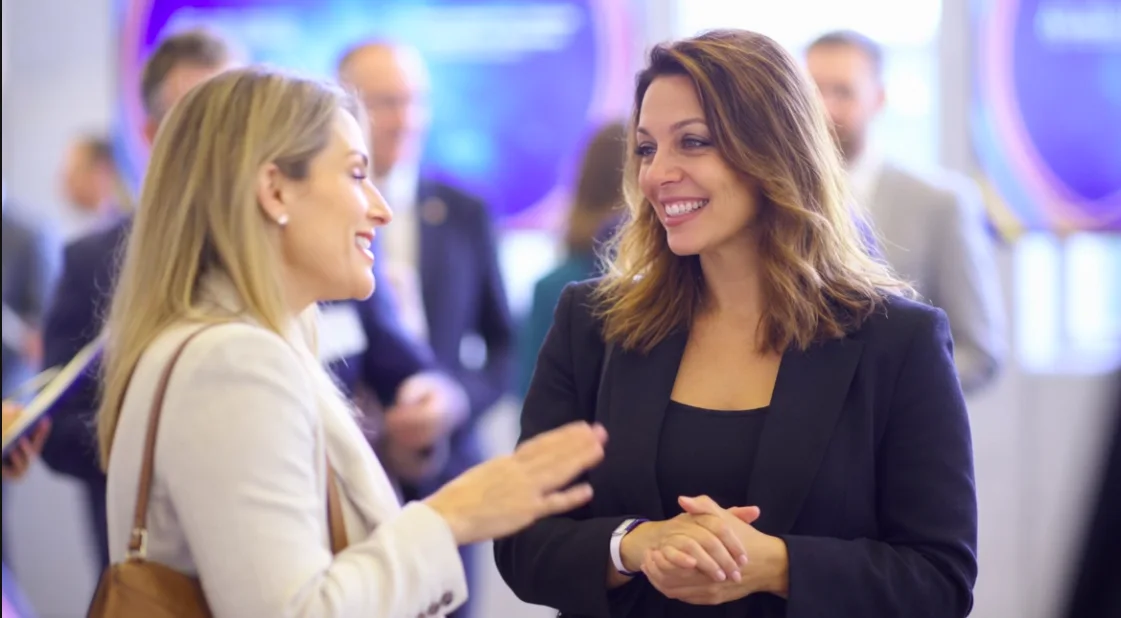
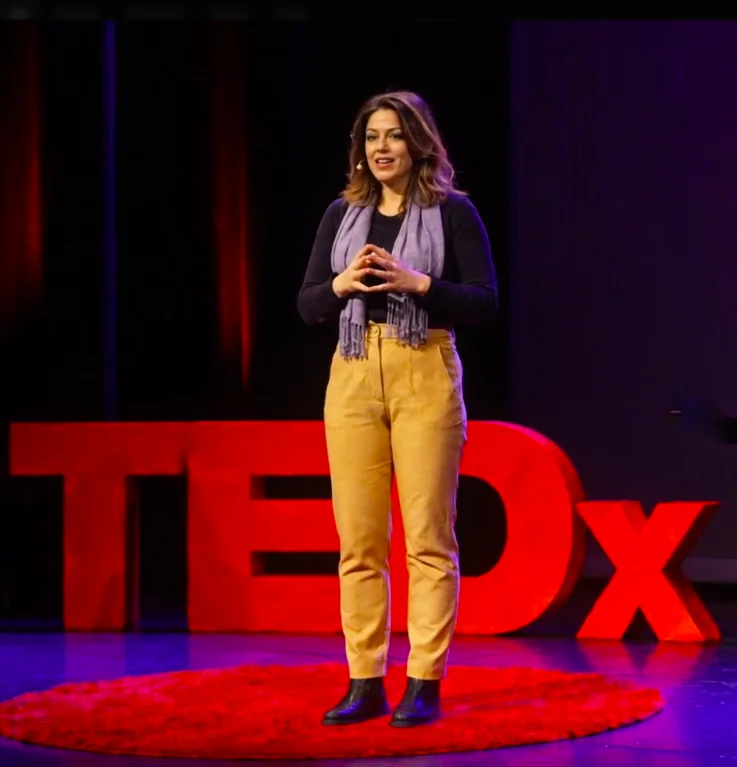
Jessica smiling on a video call with Richard in the corner of the screenJessica smiling as she writes on a whiteboardJessica talking with a colleague at a conferenceJessica speaking on stage

01 / 04 · Discovery

Start on video, find the real story.

Clarified the story and the real impact behind the numbers, so Jessica knew what her audience needed to see.

I knew the numbers inside out. Richard helped me make sure people could see the leadership behind them.
Jessica T.Director of Sales Operations
Read client reviews

Before and after · a company everyone knows

Same product. Two ways to say it.

When Apple launched the iPod in 2001, it could have led with the machine. It led with what you could do with it.

Before · the spec way

“A portable MP3 player with a 5 GB hard drive and up to 10 hours of battery life.”

True, and easy to forget. These are facts from Apple’s own release, in my wording.

After · what Apple said

“Ultra-Portable MP3 Music Player Puts 1,000 Songs in Your Pocket.”

Apple’s actual headline. Same product, same facts. You can picture it.

The same move as the call that goes dead. Start with what the listener can see and feel, then bring the detail in behind it. It works for a product launch and it works for a keynote.

A public example, not a client of mine. Source: Apple press release, 23 October 2001.

Working together

What working with Richard looks like.

Coaching is individual and practical. It starts with your talk, your audience and your date, not a standard course.

You leave with a clear message, a steady mindset and a delivery that sounds like you.

Explore coaching programmes

  • Talk and keynote development

    Finding the central idea, the structure and the story.

  • Pitch and deck review

    Making a deck clearer, shorter and easier to present.

  • Rehearsal and feedback

    Practising aloud and refining pace, emphasis and clarity.

  • Questions and unexpected moments

    Preparing for the questions and surprises you can’t script.

  • TEDx and conference preparation

    Developing a talk for an application or an event you have been invited to.

Your client pack

What you could walk away with

Three examples from the Stage & Delivery Pack, each built to solve a specific problem.

  • Stage Intelligence assessment

    The problem it solves: Not knowing what is working in the talk and what is getting in the way.

  • Q&A preparation

    The problem it solves: Freezing on the hard questions after the talk.

  • 14-day rehearsal plan

    The problem it solves: Rehearsing without knowing what to practise or when.

A focused service

Keynote and TEDx Talk Review

A review of your keynote or talk idea, from the central message to the way you stand and speak.

See what is included

The pages shown are from a real Room Review report for an 18-minute conference keynote, shared with the client's permission and with their details removed. They show the kind of material we might build together. What you receive depends on the work we do.

Open the full sample report (PDF, opens in a new tab)

Sample

From a real Room Review report. Client details removed with their permission.

Open the full PDF in a new tab

This may not be for you if:

  • You want a finished script handed over. We build the talk with you, so it sounds like you.
  • You'd like to learn it word for word. We rehearse the moments and the order, not every line.
  • Your talk is months away and nothing is written. The free Read is a better first step. Take the free Read.

Room Review

Bring the talk. Let’s work on it.

The Room Review

£95 · 40 minutes · on Zoom

A focused working session around one talk, pitch or deck.

Bring a draft, an outline, a set of slides or just the idea you’re trying to land.

We’ll identify what is already working, what needs attention and the most useful next steps.

Request a Room Review

You request a time. You pay once I’ve said yes. The fee comes off any coaching you book after.

Not ready for a session? Take the free Stage Intelligence Read

See what you get

A real Room Review report

The written report from a real Room Review, for an 18-minute conference keynote. The client said I could share it. Their name, organisation, role, event and date are removed.

Click here for a sample output from the Room Review

PDF · 22 pages · Read it online instead

Cover page of a real Room Review report, keynote editionAnother page from the same report
Pages from a real report

Questions

Your questions, answered.

  • Start with one idea you can say in a sentence. Build the talk around it, cut anything that does not serve it, then rehearse out loud and on your feet until it sounds like you talking, not reciting.

  • No. Selection is decided by the organisers, so I can’t guarantee it. What I can do is help you develop a clear idea, a stronger talk and a delivery you can trust, which gives you the best foundation for an application or an invitation.

  • Yes. Bring it as it is. We look at the idea, the structure and the delivery, then work out what would make the biggest difference.

  • We list what you want to say, then test each point against one question: would the talk still work without it? What remains is the idea. Everything else supports it or waits for questions.

  • It shouldn’t. We rehearse the opening, the order of ideas and the moments that matter, not every word, so the delivery stays natural and can adapt to the room.

  • What you share is used to prepare for and deliver your session. A recording is made only with your consent. How personal information is handled is set out in the privacy policy.

Ideas to try

Practical ideas for speakers

Three short exercises to try on your next talk, and three free tools to go with them.

  • Opening with a moment

    A specific moment beats a welcome and an agenda.

    Read the 60-second version
    1. Write down a moment from your own experience that shows the idea.
    2. Say it in two or three sentences, as a story.
    3. Use it as your opening, then say what the talk is about.
  • Choosing the one idea

    When you have too much, pick one idea and let the rest support it.

    Read the 60-second version
    1. Write every point you want to make.
    2. Circle the one the talk would collapse without.
    3. Move or cut anything that doesn’t support that point.
  • Rehearsing without sounding scripted

    Practise the moments and the order, not every word.

    Read the 60-second version
    1. Learn the opening and the closing line.
    2. For the middle, remember the order of ideas, not the sentences.
    3. Say it aloud differently each time.

This may not be for you if:

  • You want a finished script handed over. We build the talk with you, so it sounds like you.
  • You'd like to learn it word for word. We rehearse the moments and the order, not every line.
  • Your talk is months away and nothing is written. The free Read is a better first step. Take the free Read.
Request a Room Review